Back to Basics: OptoCouplers

Optocoupler is used to isolate two circuits and maintain the communication or control between them.

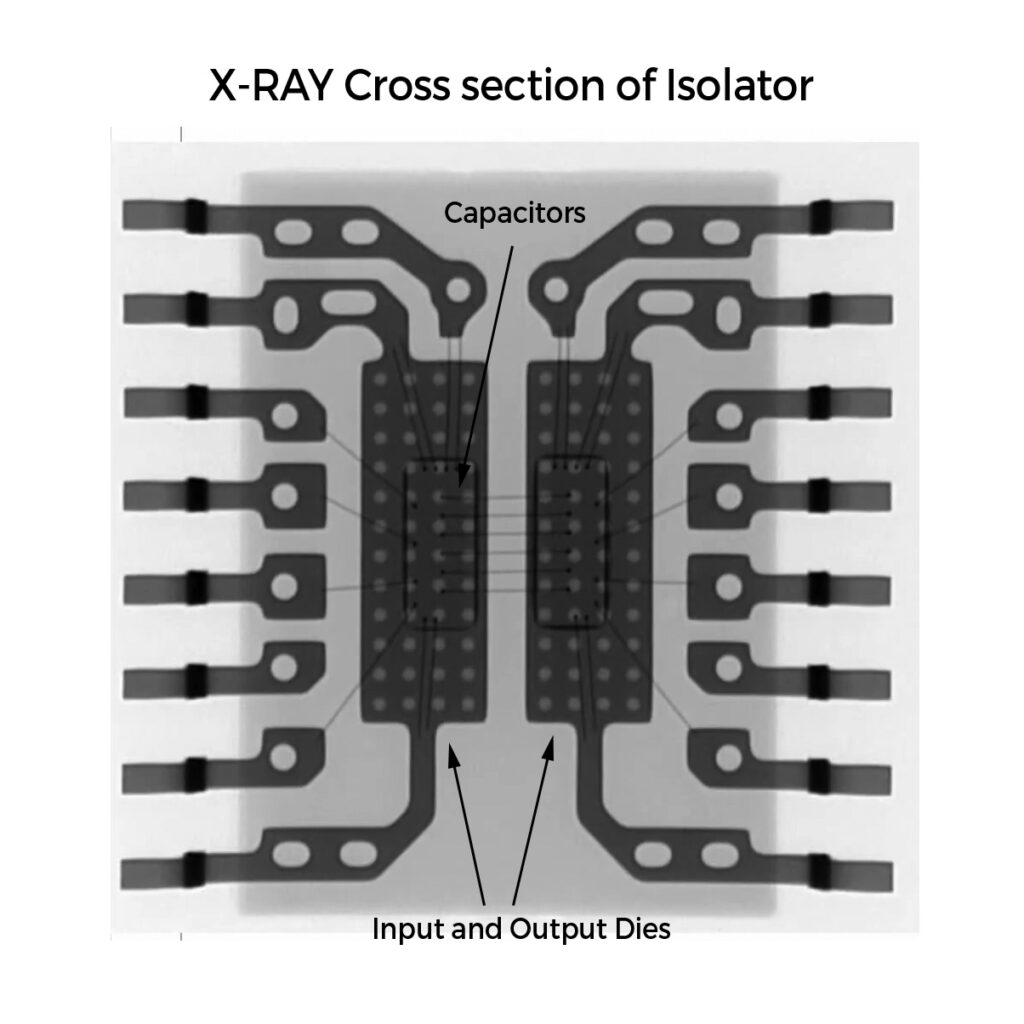
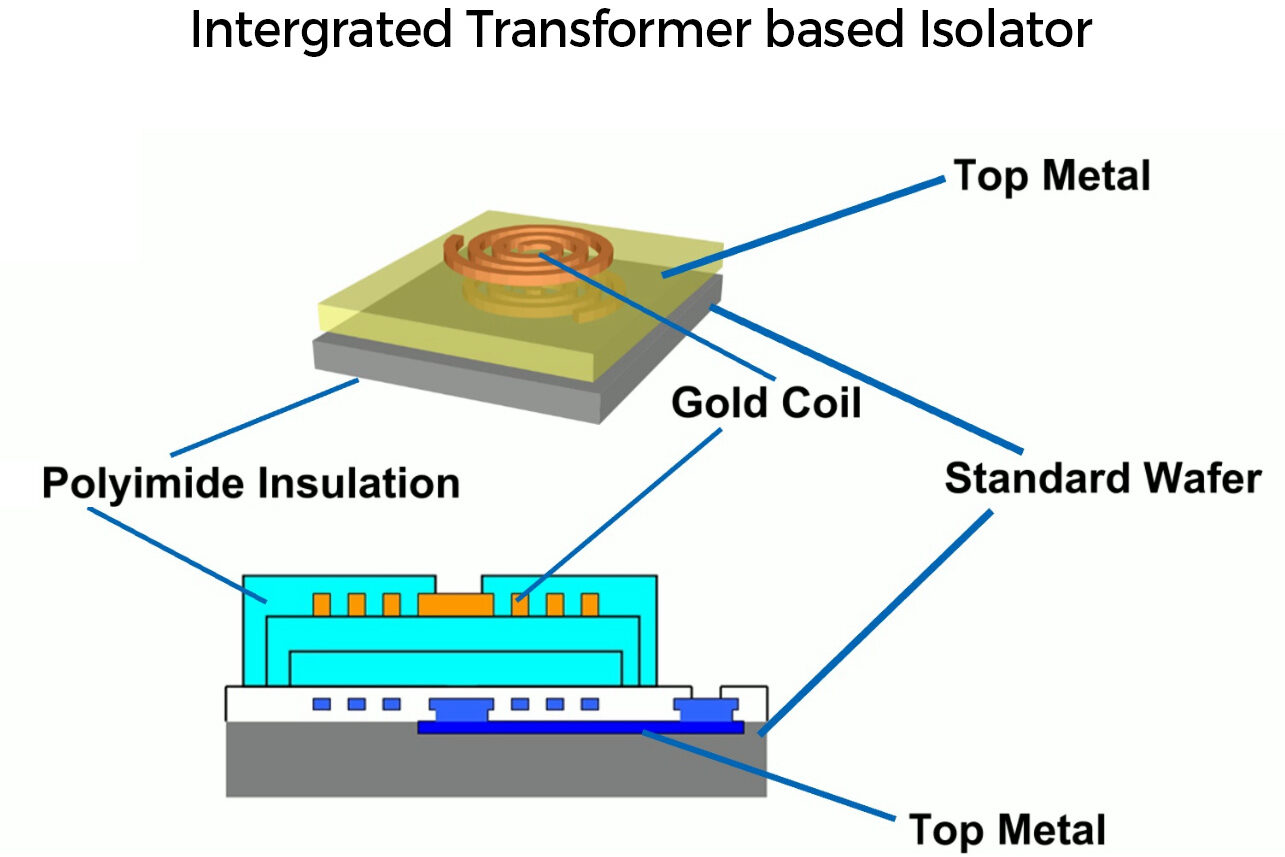
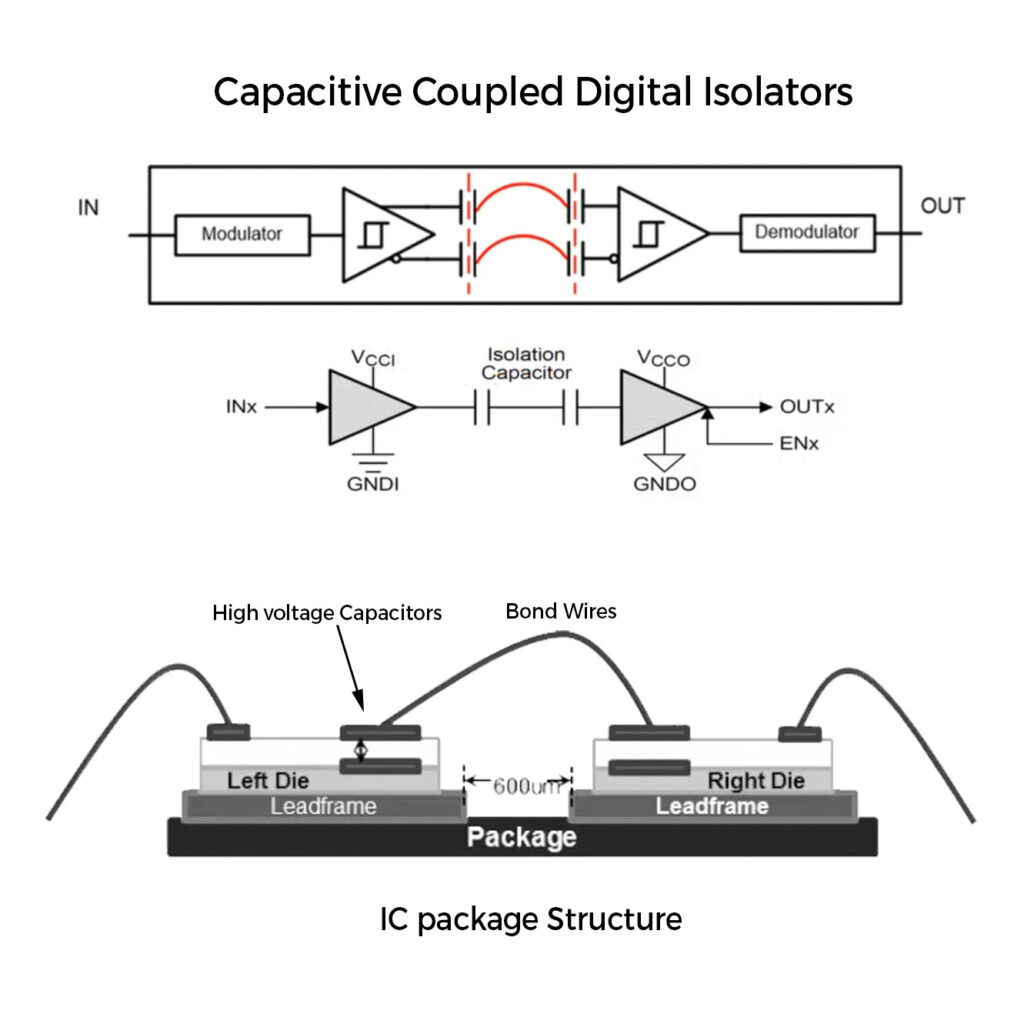
Optocouplers are one of the key building blocks of designing an isolation system. They provide electrical isolation between 2 circuits, of which one of them(Not necessarily always) is a high-voltage section. One of the main advantages of optoisolators is their ability to provide galvanic isolation, which means that there is no direct electrical connection between the input and output sides. This can prevent the transfer of electrical noise, voltage spikes, and other disturbances from one circuit to another, helping to improve the overall performance and reliability of the system.

OptoCoupler

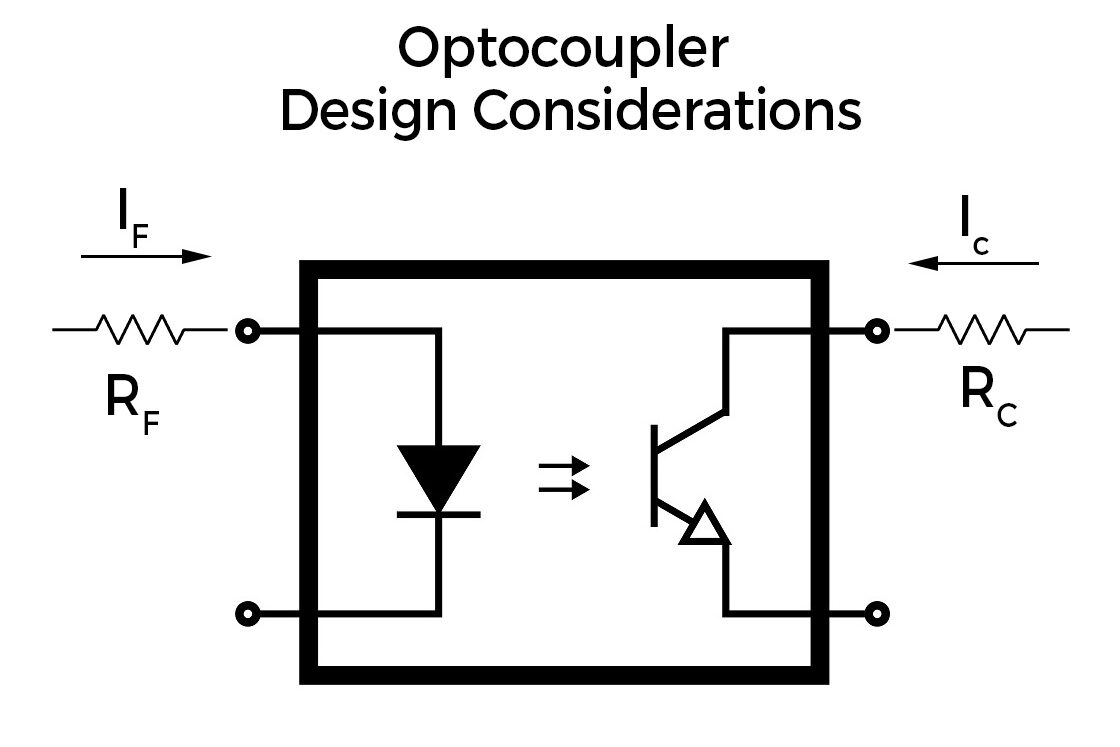
The first versions of the optocouplers were mentioned in the patent in 1963. It consists of an input side LED and a phototransistor on the output side(Check images). When a current passes on the LED side, it glows and that light is used by the base of the phototransistor to detect that there was a change and current flows on the output side. Here the communication is effectively done via Light hence you get electrical isolation from 2 sides. The amount of isolation you get depends on the construction of the ICs and internal spacings. Usually, parts with isolation above 5KV between input and output sides are termed optoisolators. If used for isolation, always think of these as 2 separate circuits and don’t connect their grounds together. It’s a common rookie mistake to avoid.

OptoCoupler Types

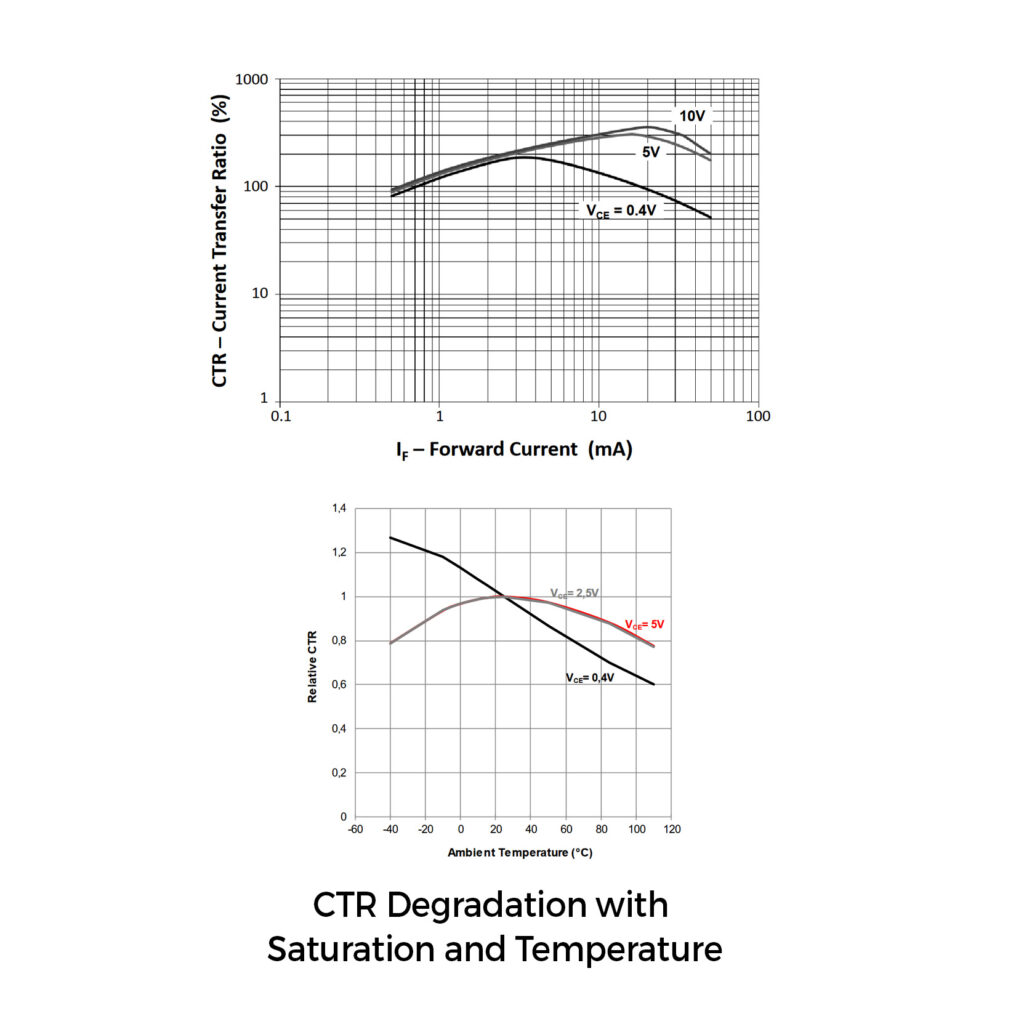
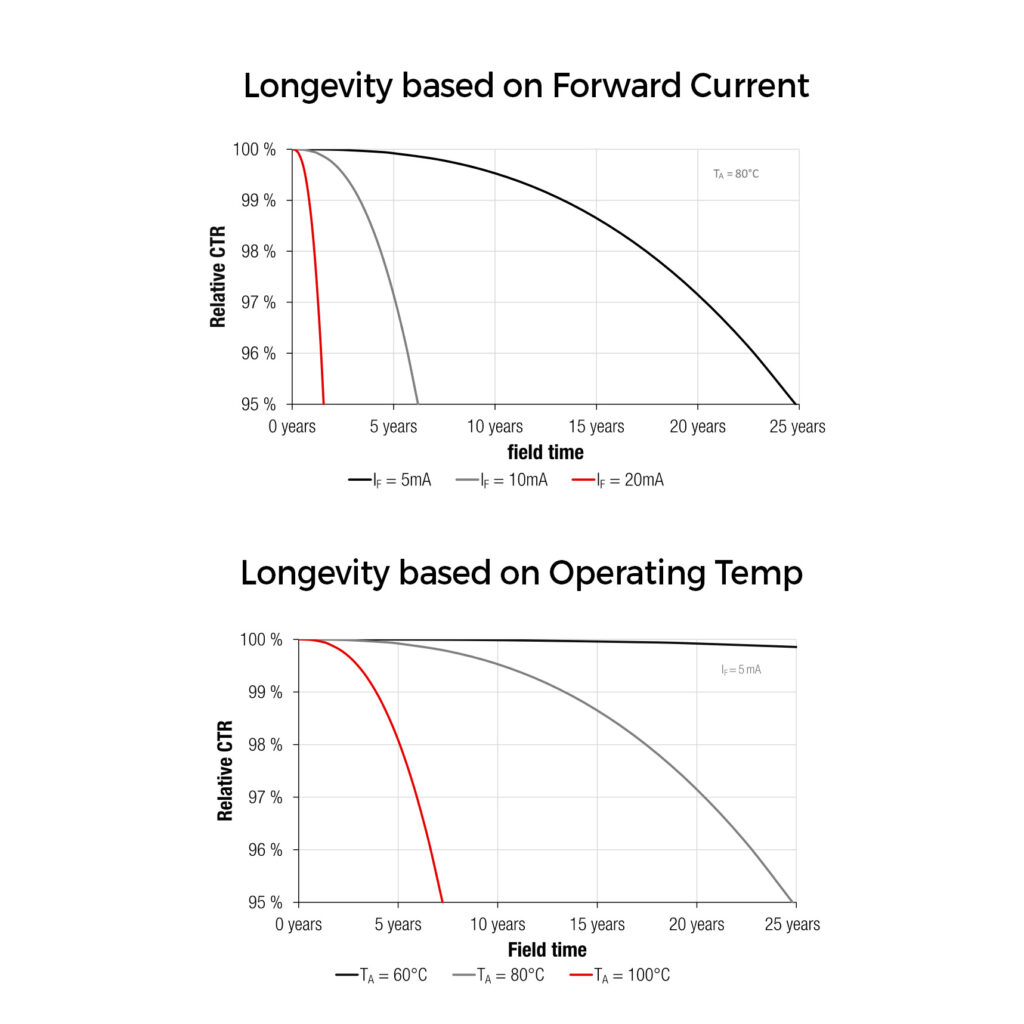
Two major considerations while designing circuits with optocouplers are CTRs and Speed. The current Transfer Ratio is the ratio of the output side current to the input side current. Optocouplers are built to last for a long time, the major failure point is the degradation of LEDs(the light it emits) with time. The current through the LEDs needs to be increased to produce the same result. For digital communication circuits, you have to select units with a higher rate of transfer as it depends heavily on switching times. Always check the datasheets for speed before finalizing the part for your use case. Usually photodiodes are used instead of phototransistors for high-speed.

There are a few more design considerations which I can cover in future posts if there is interest.

If you liked the post, Share it with your friends!

Back to Basics: Equivalent Series Inductance(ESL)

For a real-world capacitor, there are 2 elements worth exploring, ESR(Check older posts to know more about this) and ESL. ESL refers to the inductance that is present in the leads and terminals of a capacitor, as well as any inductance that is present in the capacitor itself. As you see in the equivalent of a capacitor, it’s an RLC circuit, and RLC circuits have a self-resonant freq when the effective inductance and capacitance “cancel” each other and show a minimum impedance. You would have seen those in the V-shaped impedance curves for capacitors. The lowest point of the V shape is the resonant frequency.

After the resonant frequency, Capacitor doesn’t work like a capacitor. An ideal capacitor is supposed to have a lower impedance for larger frequencies of operation. Xc is inversely proportional to Freq. What we see after the resonant freq in the graph, is due to ESL. The inductance of a capacitor starts dominating and the impedance rises. Now, what’s the problem if impedance rises? Suppose you are using a capacitor beyond the resonant freq in your circuit, impedance seen by your power supply rails will be higher, meaning it will actually resist the flow of high freq components creating noise problems or spikes at the switching instant. Hence we always want to use capacitors with lower ESL in our circuits.

The amount of inductance in a capacitor is primarily influenced by the length of its constituent elements. As the length, or loop area, increases, so does the inductance. Consequently, electrolytic capacitors tend to exhibit significantly higher ESL than their 1206 or 0402 (which is even lower than 1206) counterparts. It is therefore advisable to use the smallest possible footprint size that is compatible with the required voltage rating, in order to minimize ESL. You see that on the graphs, the resonant point shits right and the vertical impedance axis value reduces as you go down in size. Another way to reduce it is to use a flipped capacitor(Check older posts on how they work) with a lesser length.

If you liked the post, Share it with your friends!
1 55 56 57 58 59 73